Good first step
Try the calming tools
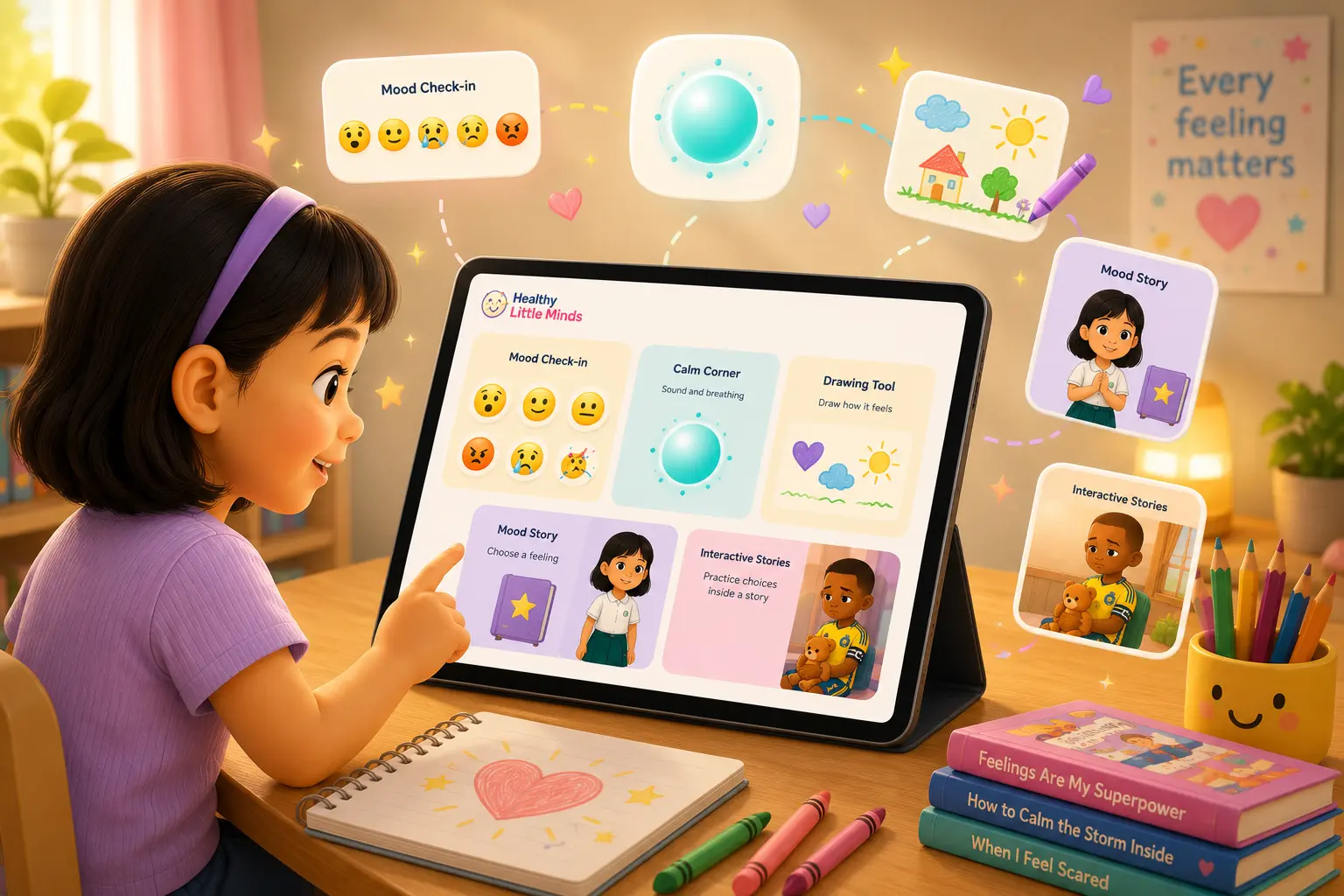
Start with breathing, gentle sounds, or drawing before choosing a longer activity.
This should only take a moment.
Warming up your little mind...
Welcome back to your library
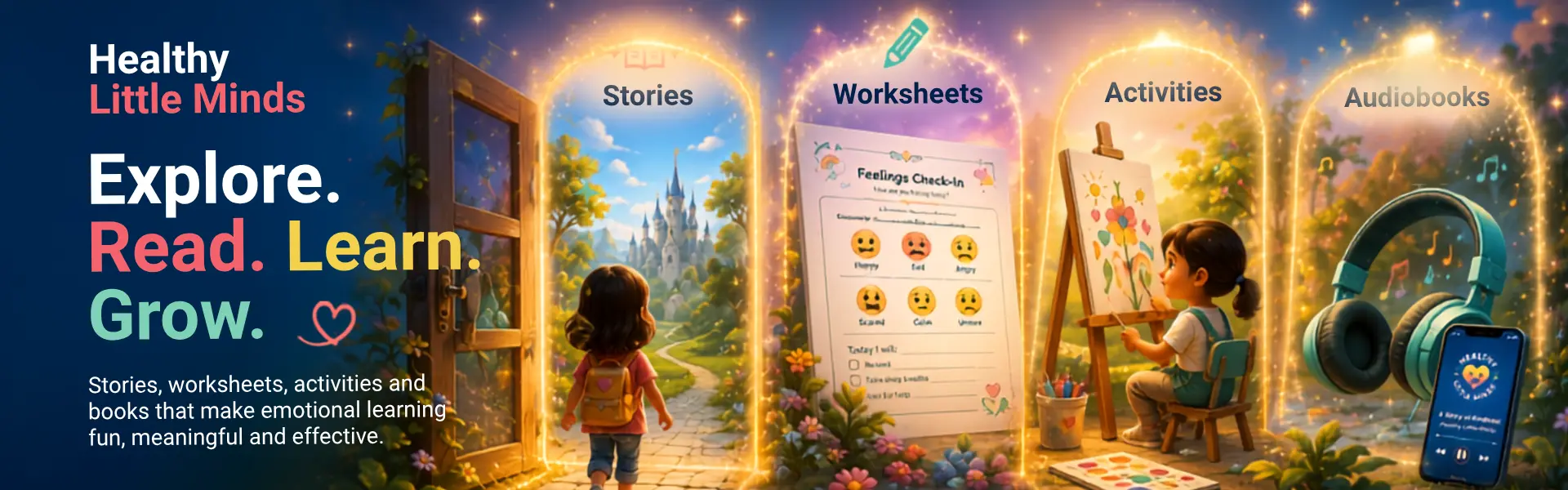
Explore stories, worksheets, feelings tools, and gentle support—at your own pace, in your own way.
Welcome to Healthy Little Minds
Pick a feeling, read a short story, print an activity, or explore support topics for parents, classrooms, and young people.
Help me choose
Choose who needs support, what is happening, and the kind of help you want. Then jump straight to a useful story, tool, printable, or guide.
Good first step
Start with breathing, gentle sounds, or drawing before choosing a longer activity.
Choose the closest match, choose another word for yourself, or skip this check-in.
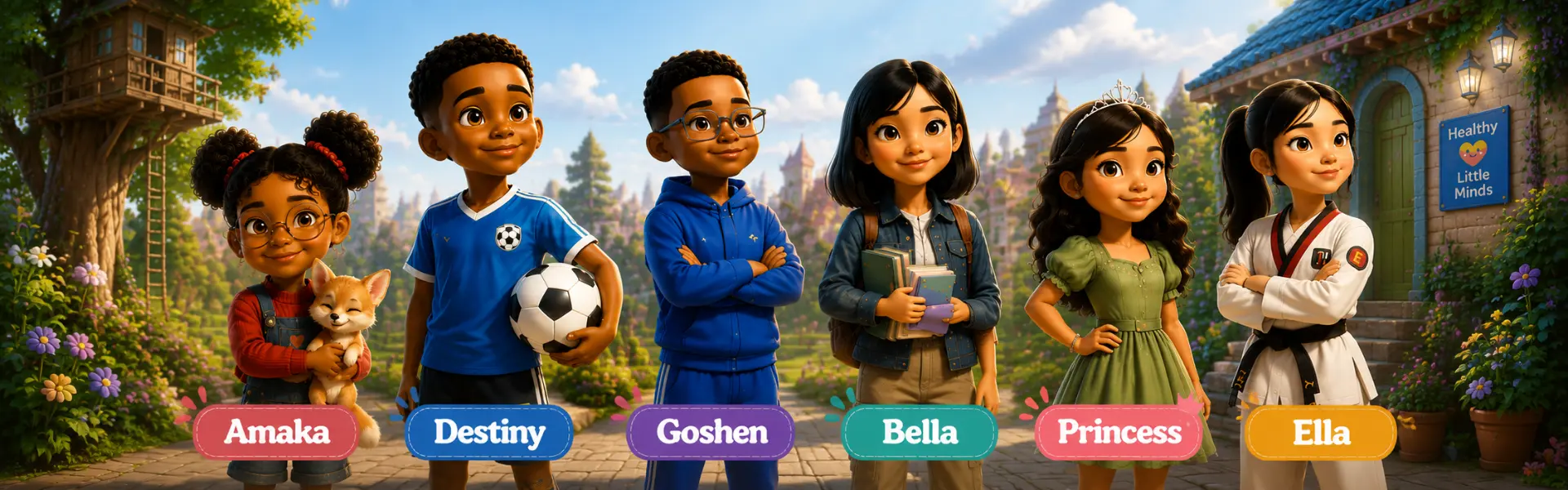
Meet the friends
Kind, curious friends learning courage, calm, confidence, and care.
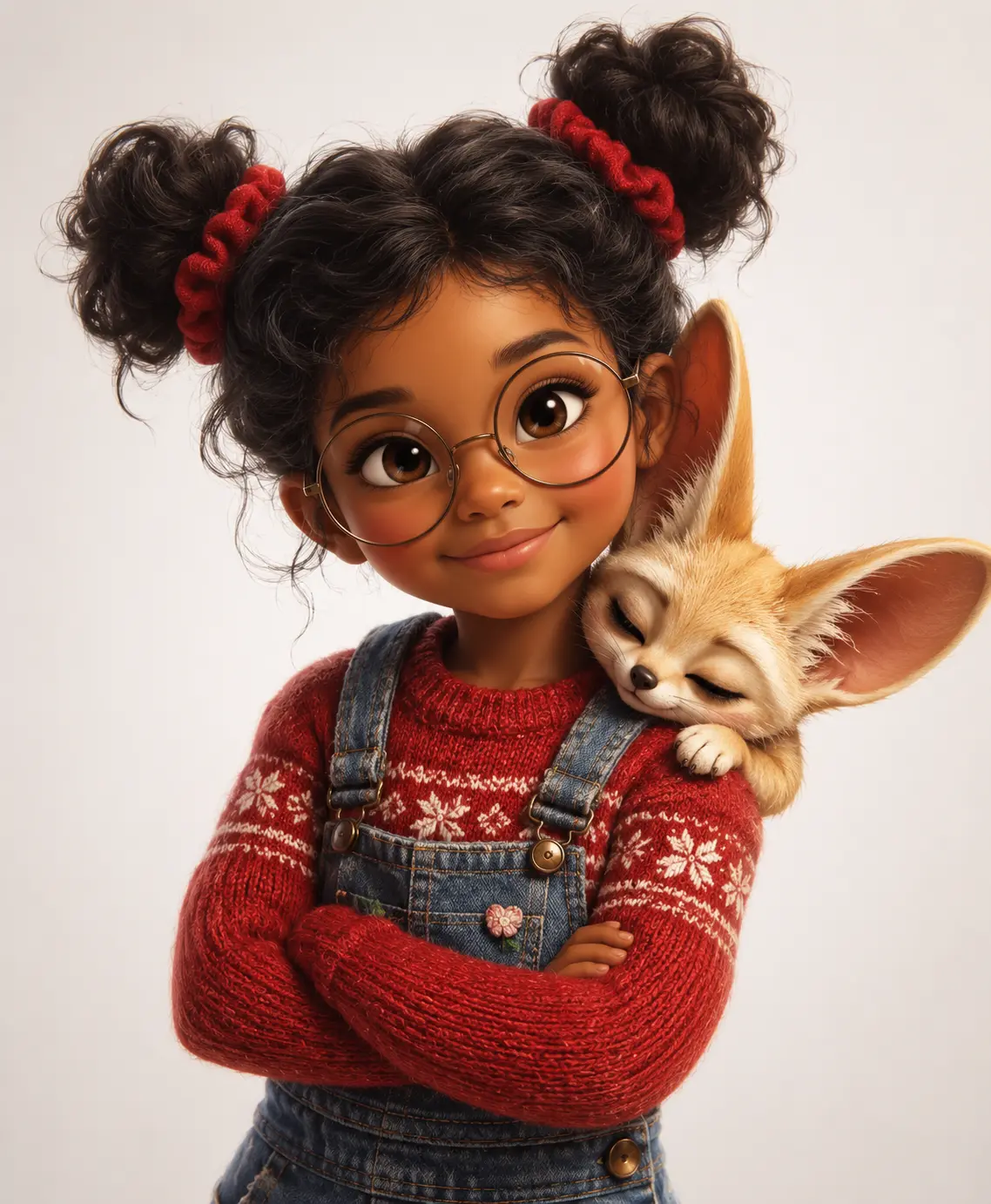
Sweet, thoughtful, and emotionally smart. Amaka really cares about how others feel.

Eager and mischievous, Amaka likes to joke and play, but her heart is full of kindness.
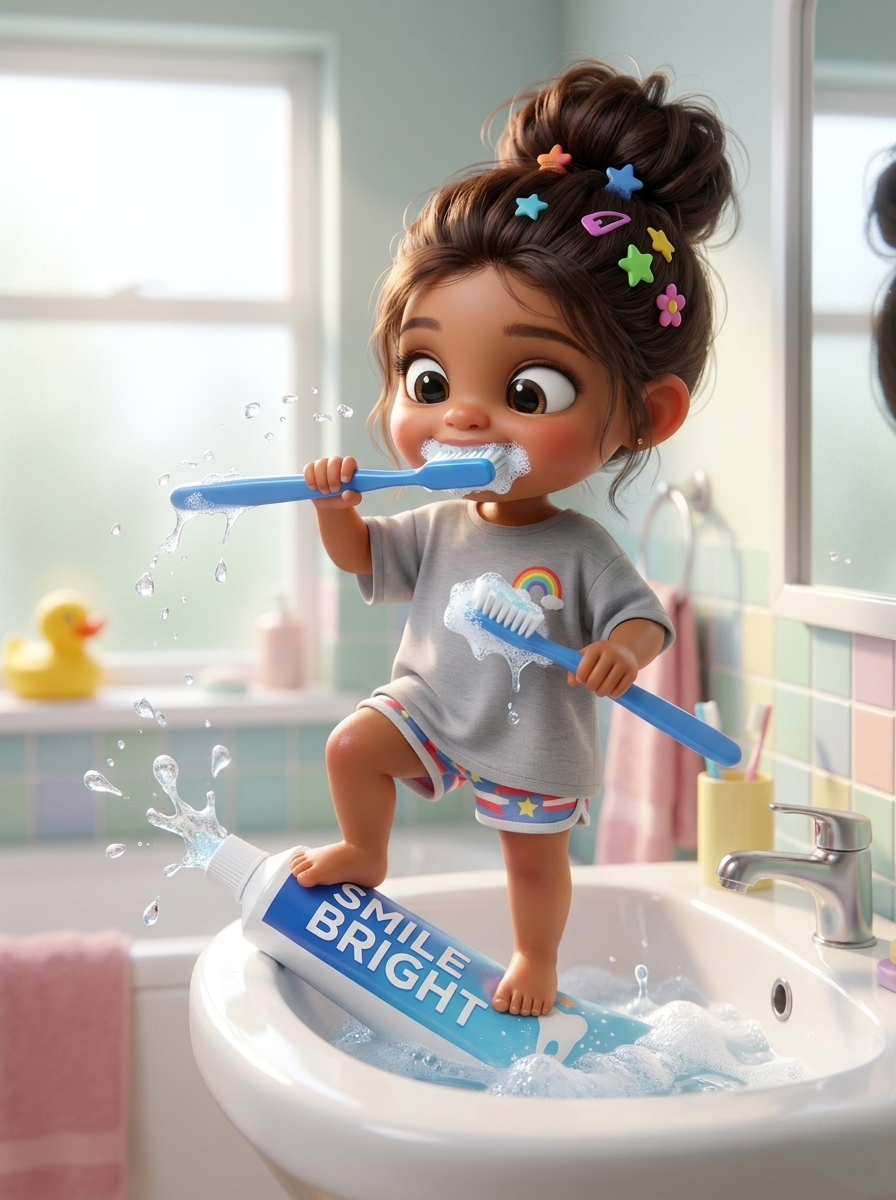
She notices how others feel. Even while playing, she checks on her friends' emotions.
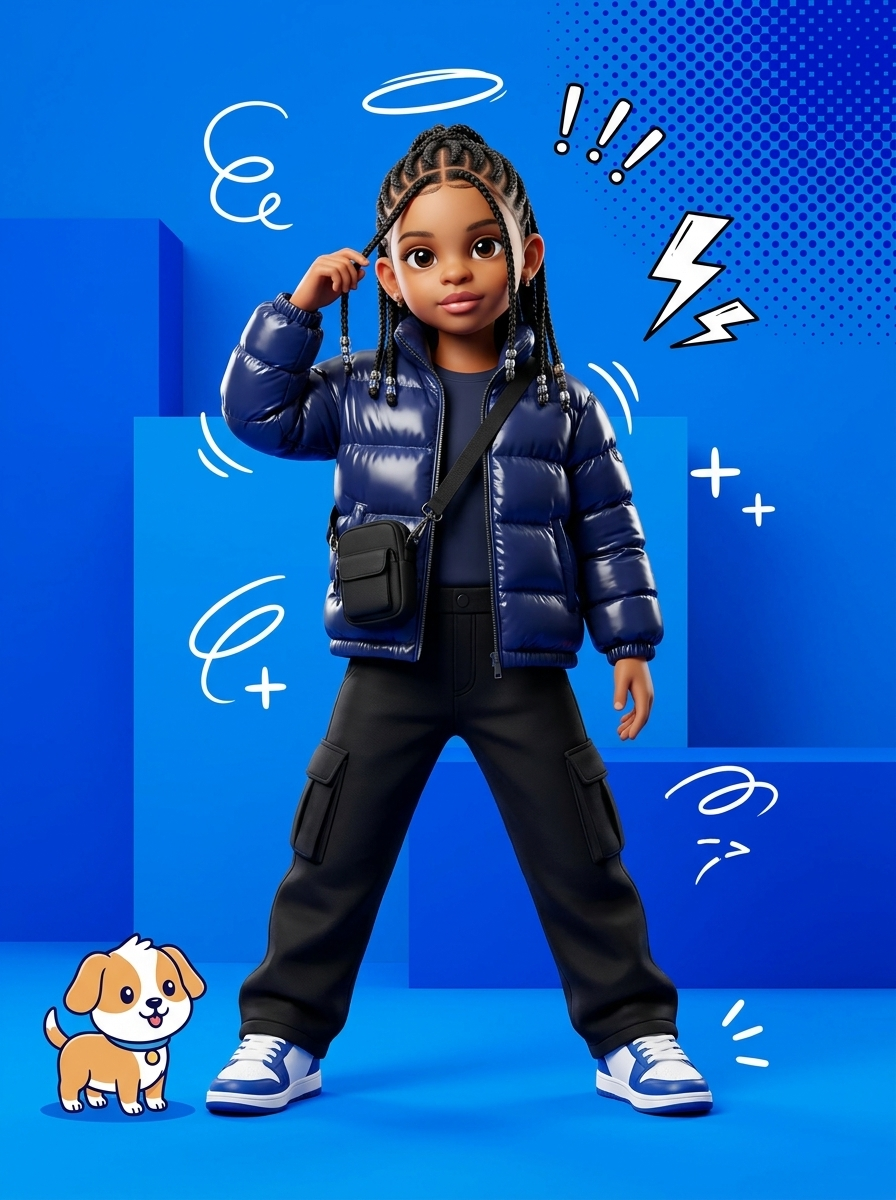
When someone’s sad, Amaka notices. She’s emotionally wise, even.

Calm and peaceful. Amaka sometimes just smiles and listens.

Bella is a little shy and feels nervous when everyone’s watching. But she’s brave, smart, and always looks out for others.
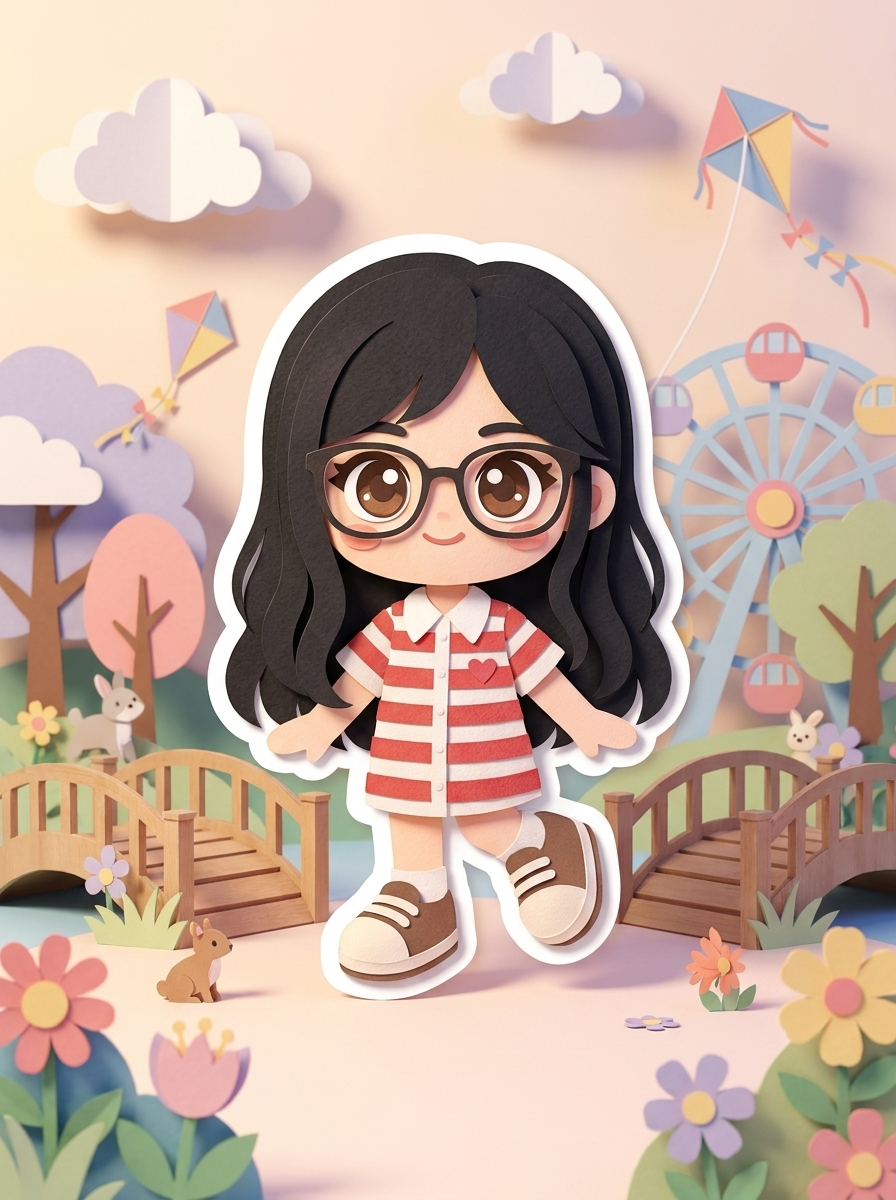
She might stay quiet at first, but Bella always knows what to do. She’s responsible and gentle with everyone.

Destiny is wise and respectful. He's patient, kind, and loves to help — even though he sometimes plays too much!

Goshen is a brain box! Full of ideas, he’s always thinking. But he’s also sweet, loving, and protective of his friends.

Princess is thoughtful and kind. Despite her ups and downs, she finds it important to help and understand others.

Ella is strong both in body and in spirit. She deeply cares about the people around her and the world at large. A dedicated student, she believes that becoming a cheerleader one day will help her spread positivity and make the world a happier place.
Start with a feeling
Choose one feeling to begin. Each path opens a friendly page with simple language, stories, and practical support.
Practise emotional skills
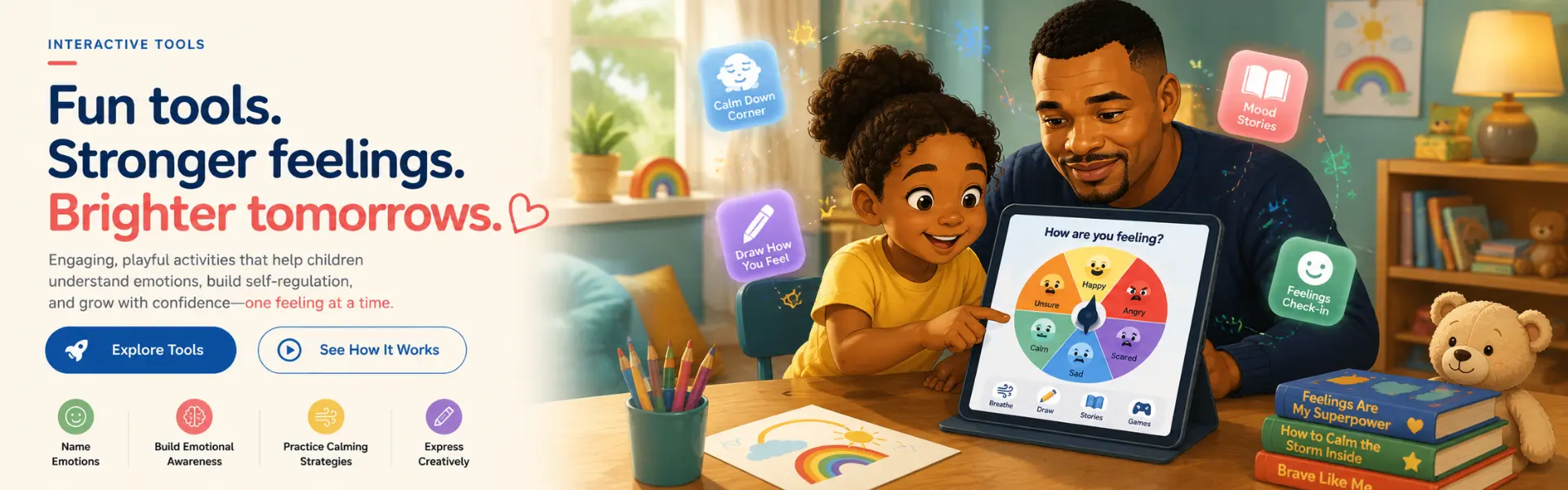
Use simple activities like breathing, drawing, check-ins, and guided choices to help children practise emotional skills before the hardest moment.
Read and grow
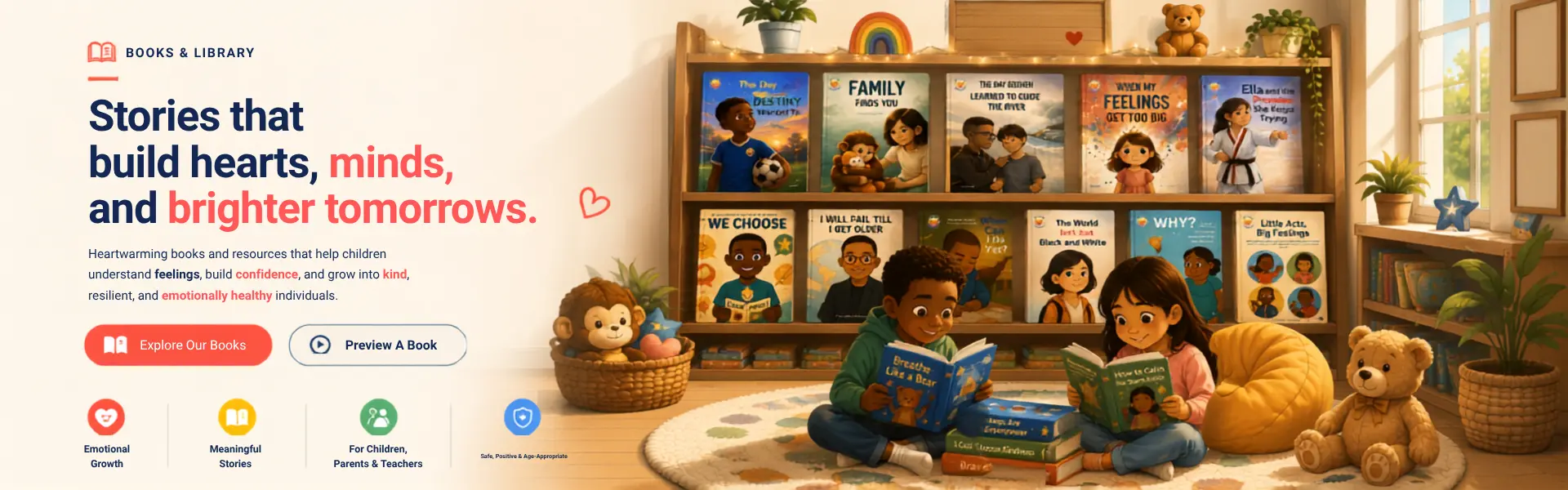
Swipe, scroll, or let the shelf glide through stories that help children name and understand feelings.
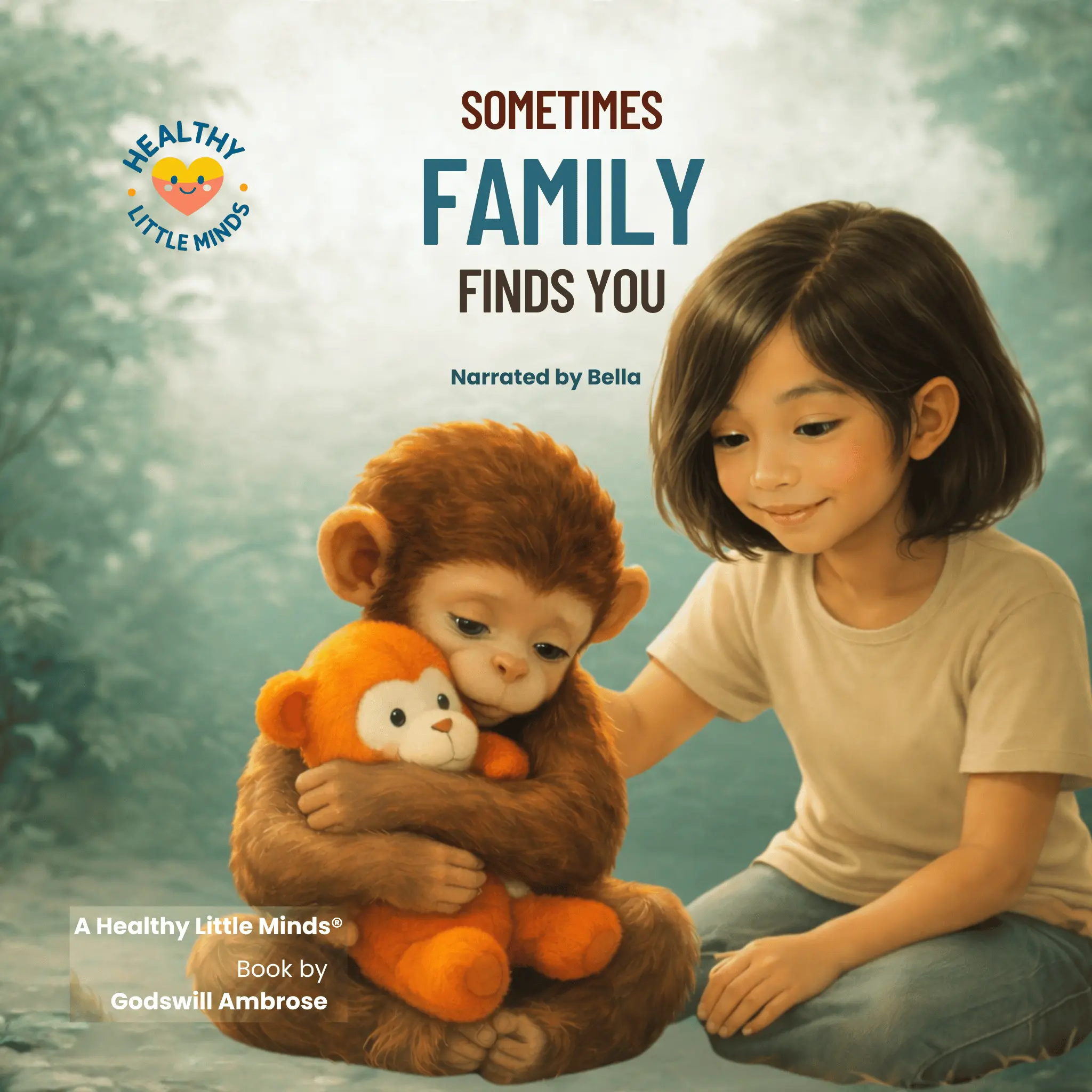
Recommended for ages 13+ "Sometimes Family Finds You" is a quiet, heartfelt story about belonging, resilience, and the many ways connection can begin. Through Bella’s gentle narration and Punch’s journey, children discover that feeling unseen does not mean they are unworthy—and that sometimes, family finds us in unexpected ways.
📘 Read Sometimes Family Finds You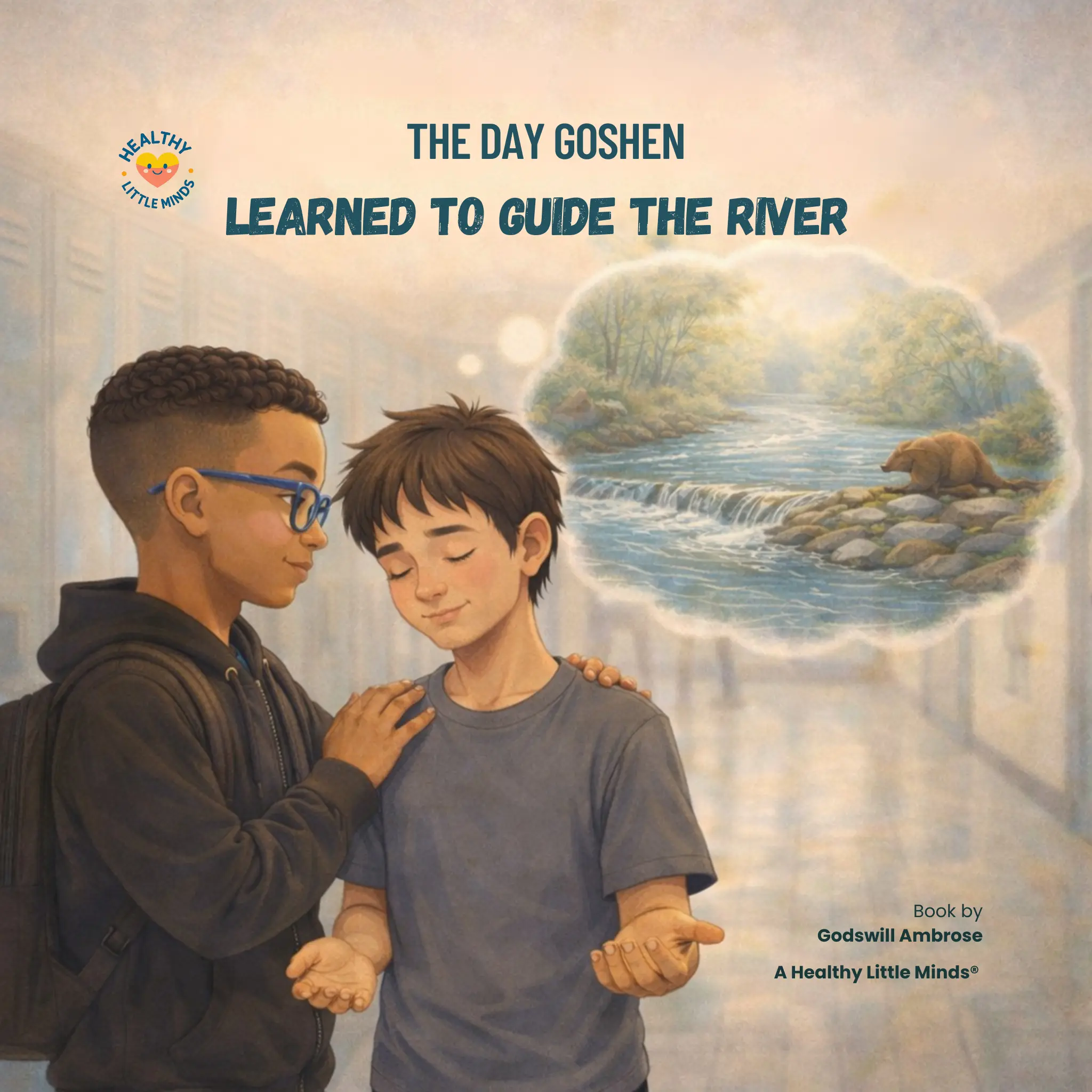
Recommended for ages 13+ "The Day Goshen Learned to Guide the River" is a calm, reflective story about helping children manage big emotions through safe replacement behaviors. When Goshen observes a beaver guiding a river instead of stopping it, he learns a gentle way to help a friend—and himself—when feelings feel overwhelming.
📘 Read The Day Goshen Learned to Guide the River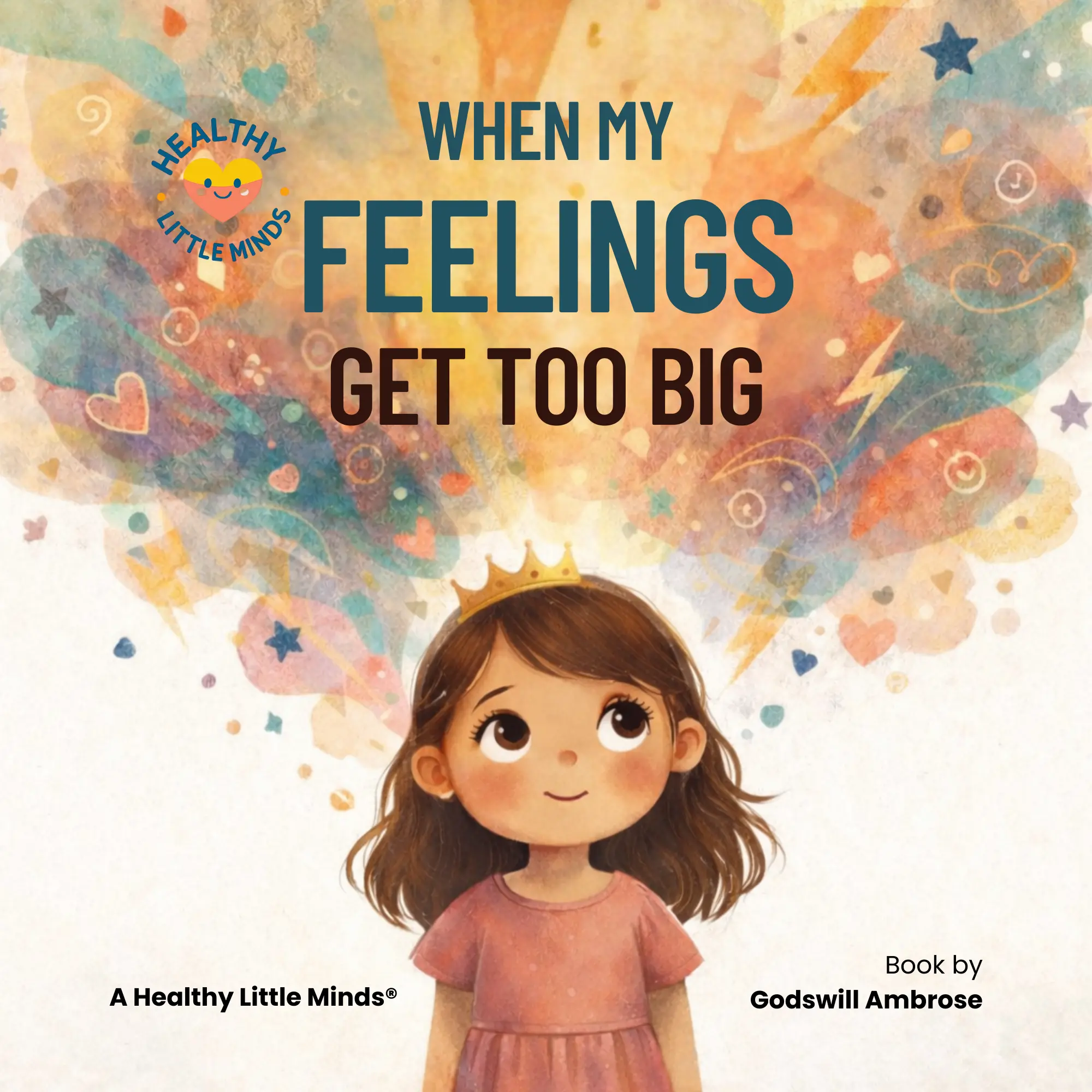
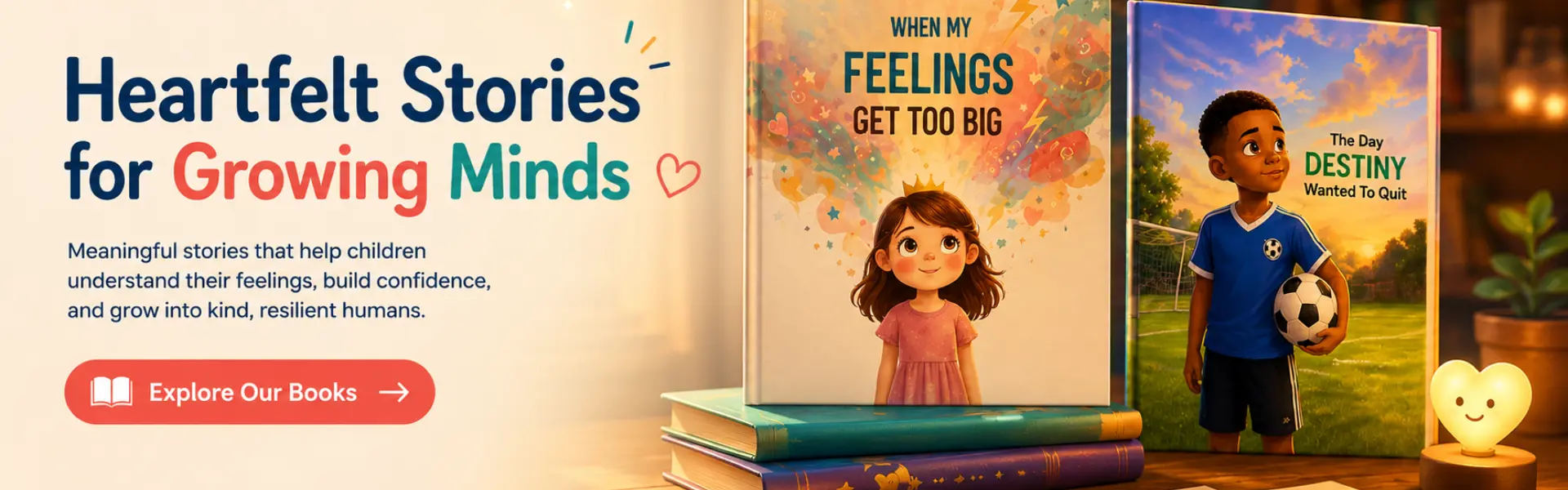
Recommended for ages 9+ "When My Feelings Get Too Big" is a gentle story that helps children understand big emotions and feel safe again. Through Princess’s experience, kids learn that feelings are not bad—they are messages. They practice pausing, breathing, and naming what they feel.
📘 Read When My Feelings Get Too Big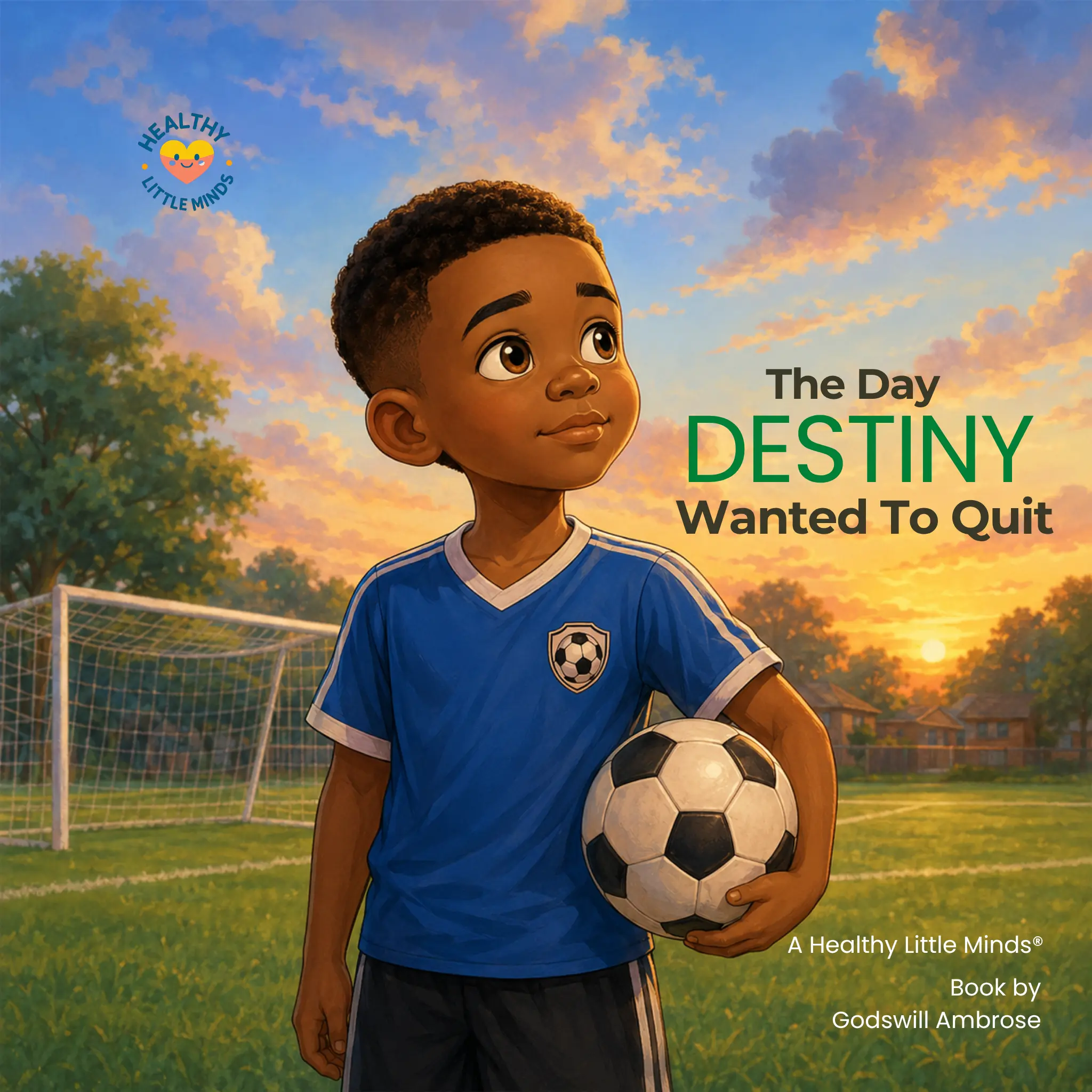
Recommended for ages 12+ "The Day Destiny Wanted To Quit" is a heartfelt story about finding courage when giving up feels easier. It helps children see how small choices and support can help them keep going, even when life feels really hard.
📘 Read The Day Destiny Wanted To Quit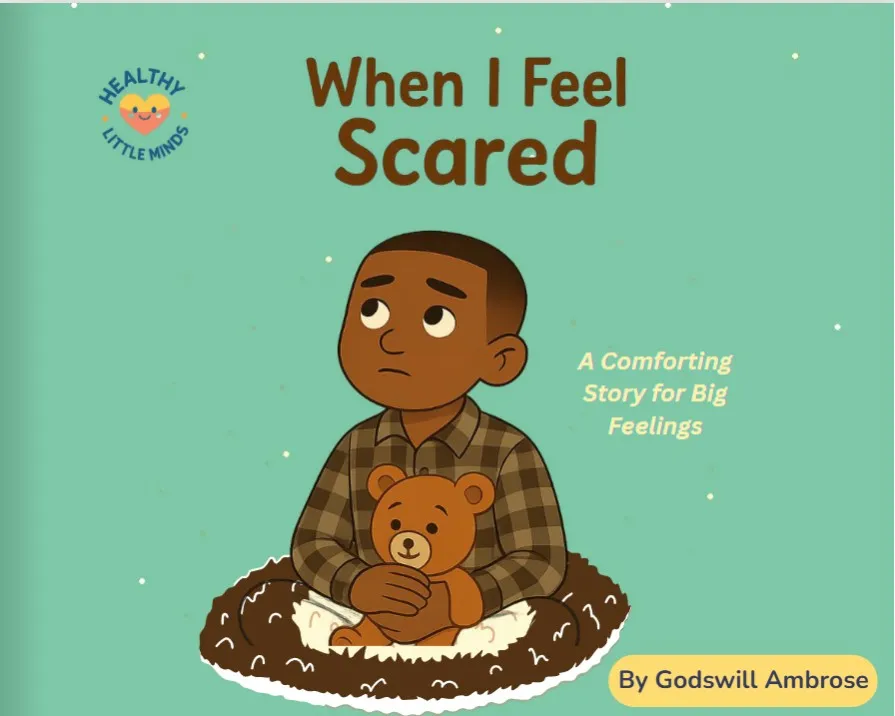
Recommended for ages 12+ "When I Feel Scared" is a comforting story that helps children understand fear and find gentle ways to feel safe, supported, and brave again.
📘 Read When I Feel Scared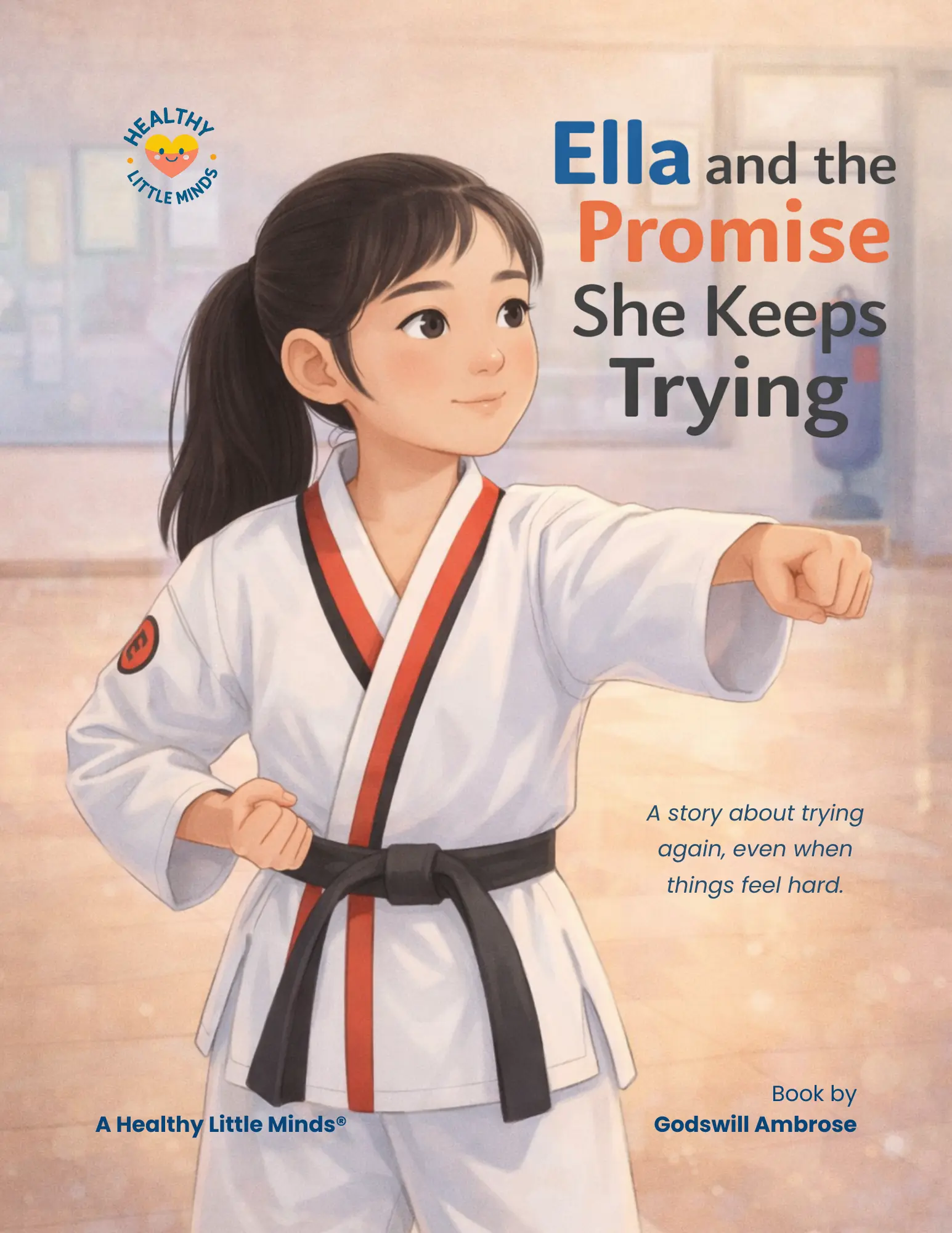
Recommended for ages 9+ "Ella and the Promise She Keeps Trying" follows Ella as she learns that effort matters more than being perfect. Through practice, mistakes, and courage, she discovers that trying again is part of growing stronger.
📘 Read Ella and the Promise She Keeps Trying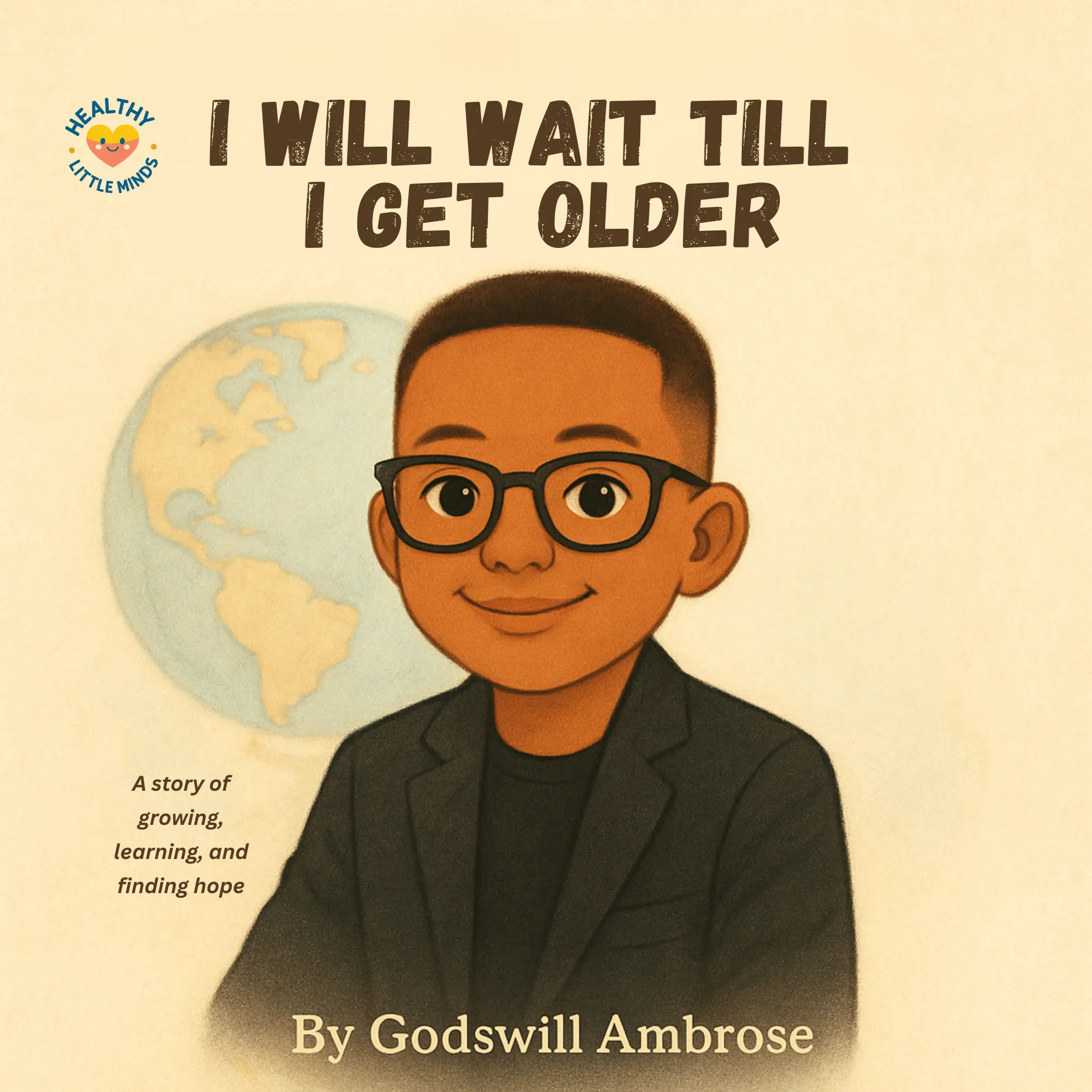
Recommended for ages 13+ "I Will Wait Till I Get Older" follows Goshen, a 13-year-old boy who has lived in four different countries. It gently explores belonging, patience, and hope—showing that growth takes time.
📘 Read I Will Wait Till I Get Older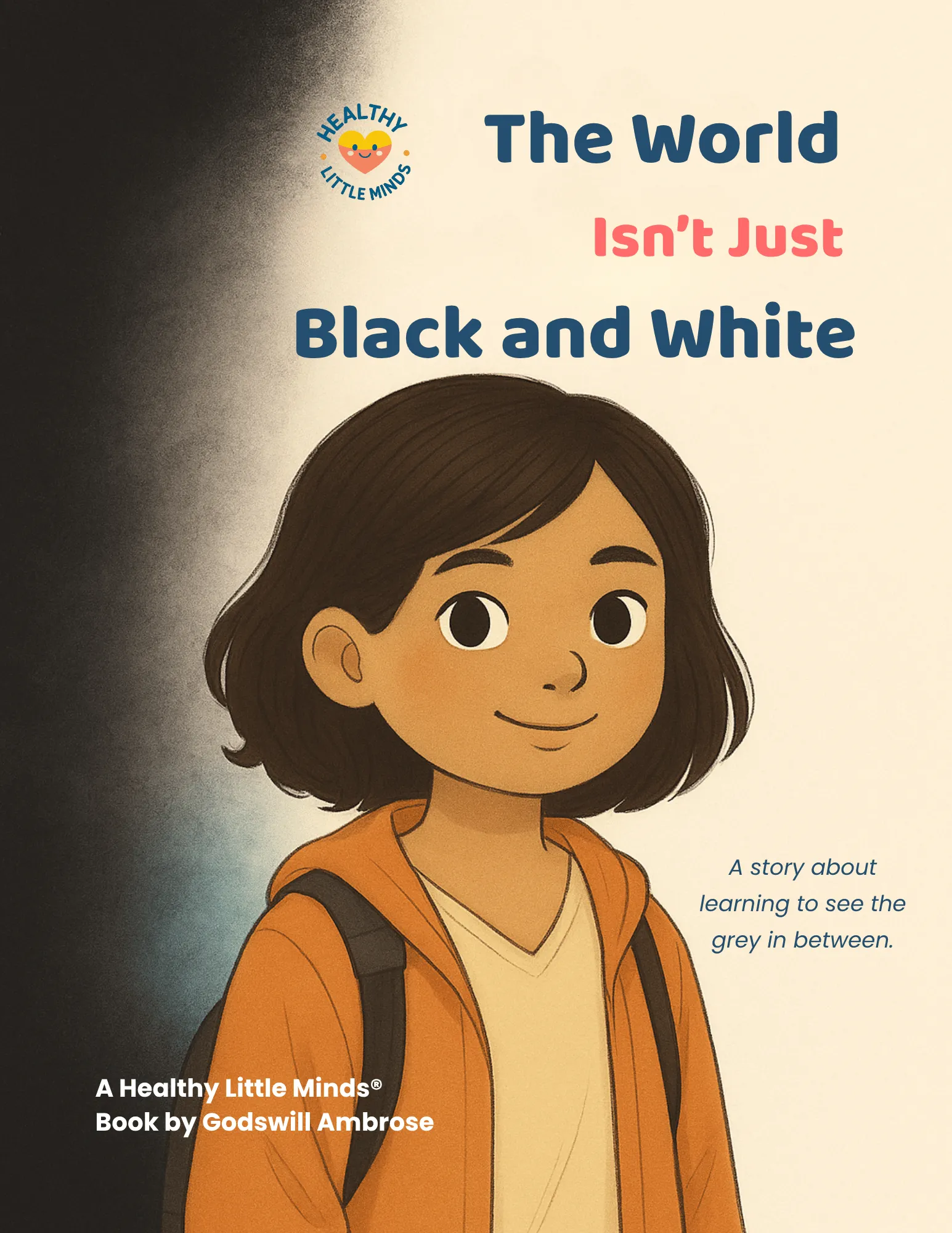
Recommended for ages 13+ "The World Isn’t Just Black and White" helps children practice flexible thinking, pause before reacting, and understand that feelings and situations are not always one way or the other.
📘 Read Grey Thinking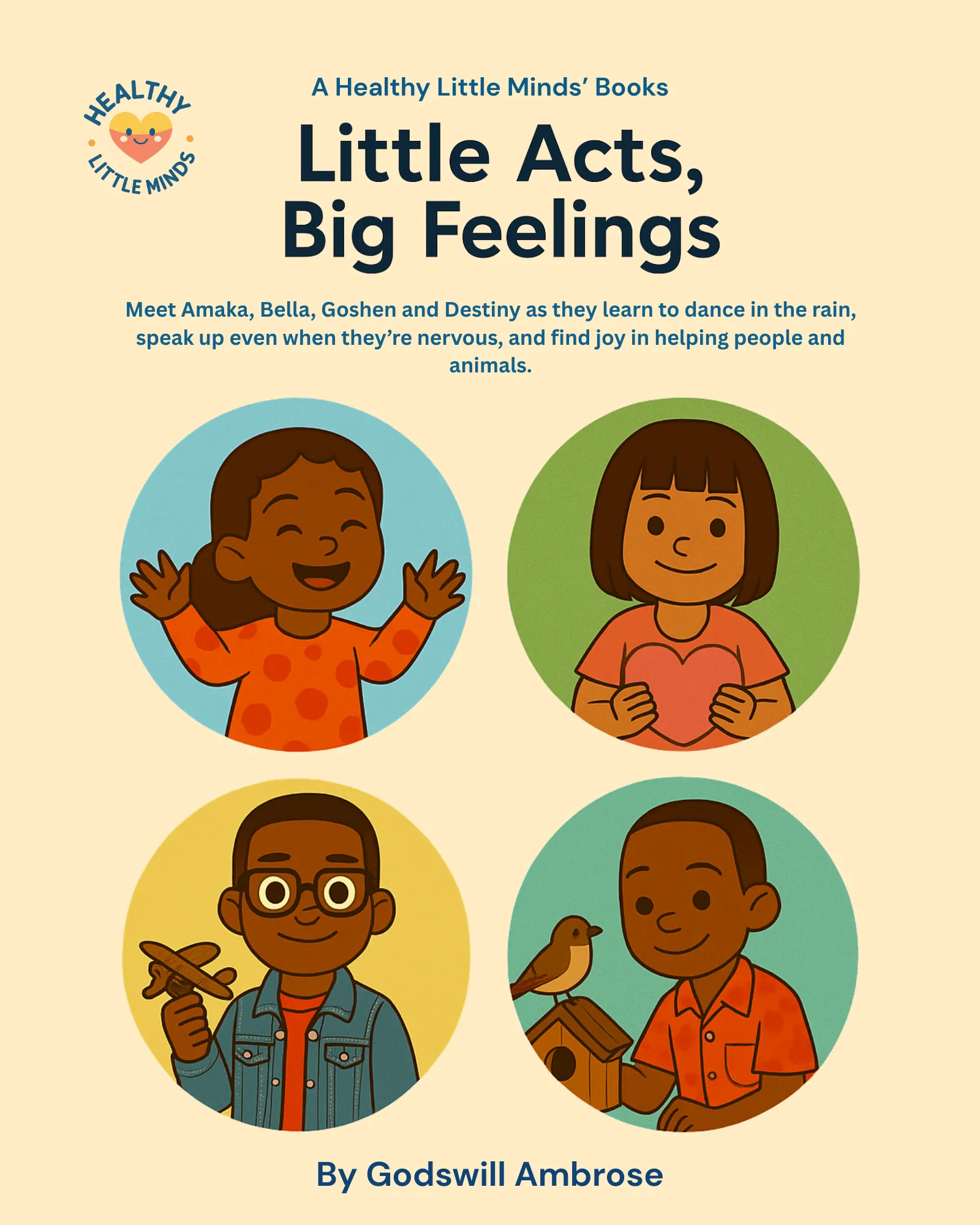
Recommended for ages 6+ "Little Acts, Big Feelings" celebrates kindness, empathy, and the emotions that grow when children care for others and see the impact of small, loving actions.
📘 Read Little Acts, Big Feelings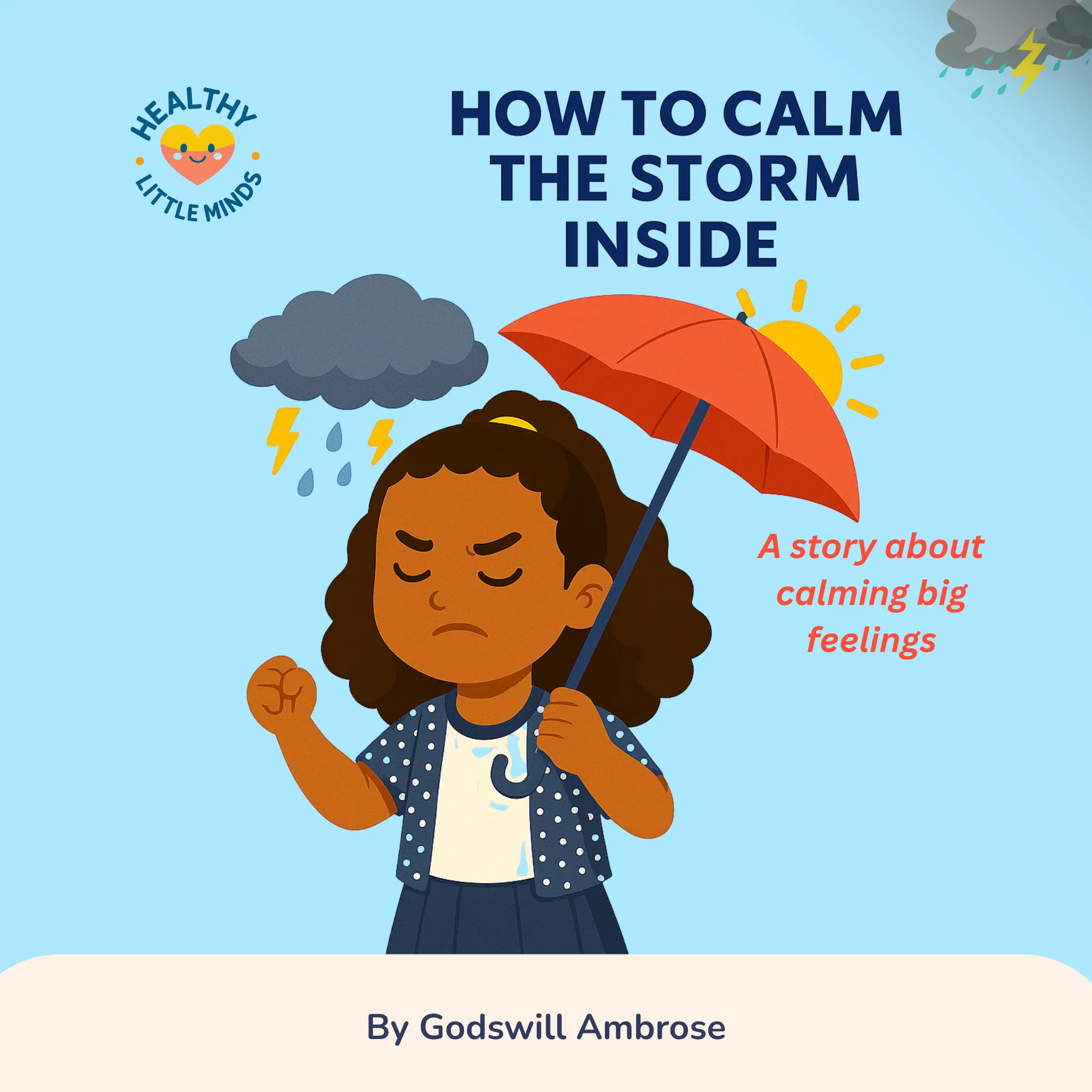
Recommended for ages 6+ "How to Calm the Storm Inside" helps children recognize overwhelming emotions and learn calming tools like breathing, drawing, and asking for help.
📘 Read How to Calm the Storm InsideShort, friendly guides and printables for teens (12+), parents, and educators. Find practical ideas for talking about feelings, handling stress, building confidence, and supporting children’s emotional growth.
Educational content only — not a substitute for professional care.
Resource library
No topics match your search.
Subscribe to get updates about new books, worksheets, and practical emotional learning resources.
Have a question or suggestion? Send us a message →




Emotional literacy in everyday life
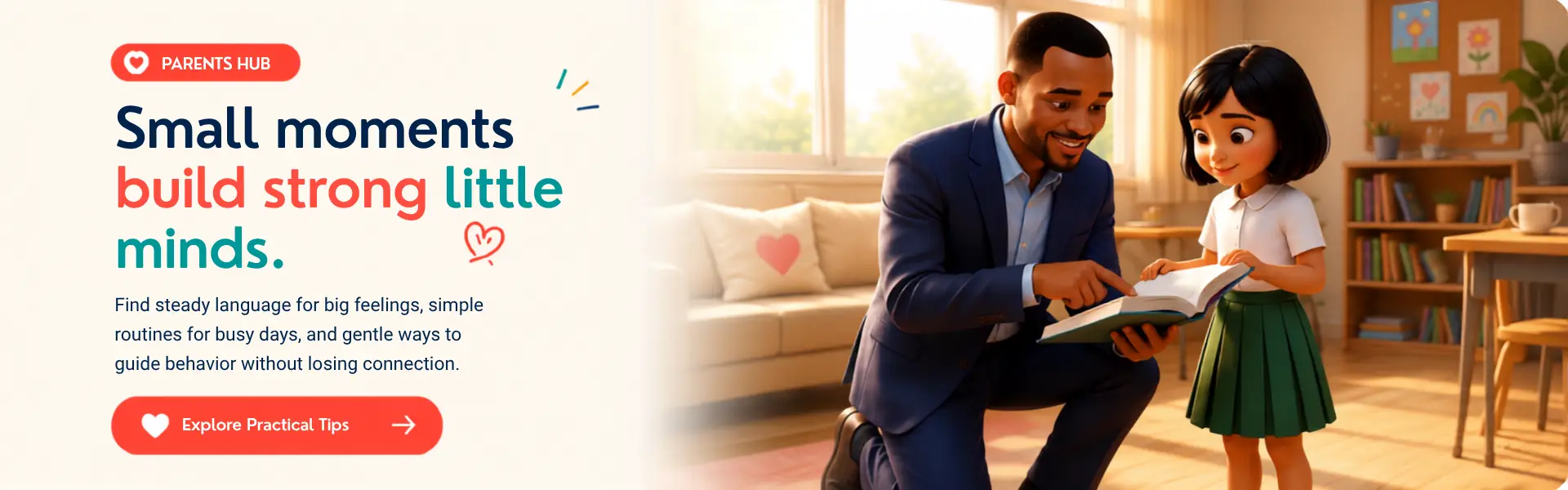
Emotional learning is not one big lesson. It grows through small moments: naming what is happening, practising a helpful response, and staying connected with trusted adults.
When children can name a feeling, adults can respond with more patience and children are less likely to feel alone with what is happening inside.
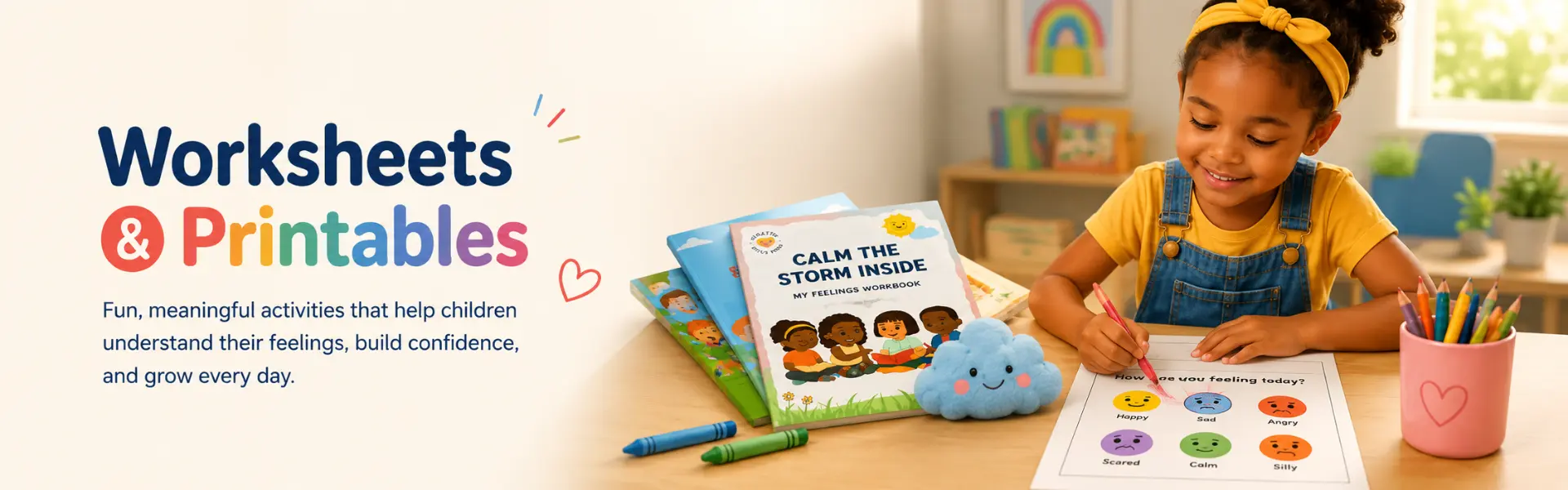
Explore feelingsSimple routines like breathing, drawing, pausing, and asking for help become easier when children practise them during calm moments.
Open worksheetsHealthy Little Minds resources are designed to help adults guide, listen, and co-regulate rather than shame, rush, or correct too quickly.
Visit parent support